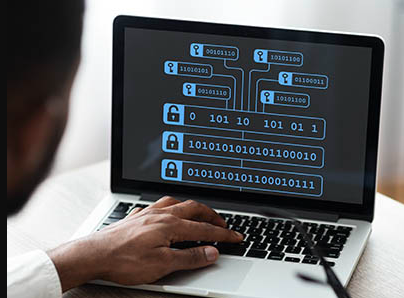
Blockchain-based digital identity systems anchor trust in cryptographic proofs and immutable records, enabling user-controlled credentials, verifiable claims, and selective disclosure. They remove single points of failure while supporting revocation and portability across domains. Interoperable standards and privacy-preserving designs are essential for cross-domain trust and risk-based compliance. The path forward must balance scalability with regulation, guided by principled, open protocols. The implications hold broad potential, inviting further examination of governance, interoperability, and real-world impact.
What Is Self-Sovereign Identity and Why Blockchain Matters?
Self-Sovereign Identity (SSI) refers to individuals gaining control over their digital identities, including how data is created, stored, and shared.
The concept reframes trust away from centralized authorities toward user empowerment, interoperability, and consent.
It emphasizes decentralized credentials and user centric models, enabling portability, privacy, and selective disclosure while maintaining verifiable governance, security, and scalable, principled standards for a freer digital ecosystem.
How Blockchain Enables Secure Identity Verification
Blockchain enables secure identity verification by anchoring trust in cryptographic proofs and immutable records, rather than centralized authorities.
The approach supports decentralized credentials and verifiable claims, enabling individuals to selectively disclose data without surrendering sovereignty.
By removing single points of failure, verification becomes transparent yet privacy-preserving, scalable across ecosystems.
Institutions rely on interoperable standards, ensuring consistent trust while empowering users to control personal data.
Real-World Use Cases Across Finance, Health, and Governance
Across finance, health, and governance, real-world deployments demonstrate how decentralized identity systems streamline onboarding, strengthen privacy, and reduce fraud by leveraging cryptographic proofs and interoperable standards.
Privacy preserving designs empower individuals with user controlled credentials, enabling selective disclosure and revocation.
In finance, vendors verify eligibility without exposing data; in health, records remain portable; in governance, verifiable identities enable secure public services and auditable, freedom-respecting participation.
Challenges: Interoperability, Scalability, and Regulation
Interoperability, scalability, and regulatory alignment pose critical challenges for blockchain-based digital identity systems. In this context, interoperability gaps hinder cross-domain verification, limiting user control and ecosystem cohesion. Scalable solutions must balance privacy with performance, while Regulation hurdles compel clear standards and accountable governance. A principled approach emphasizes portability, open protocols, and risk-based compliance to preserve freedom without fragmenting trust networks.
Frequently Asked Questions
How Is User Consent Enforced in Blockchain-Based Identity?
Consent in blockchain-based identity is enforced through verifiable, consent-revocation mechanisms and revocable credentials, enabling users to withdraw access. It supports identity portability while preserving privacy, standards-based policies, and auditable trails for scalable, freedom-respecting governance.
What Privacy Risks Exist With On-Chain Identity Data?
Satire aside, the privacy risks exist: on-chain exposure can reveal identifiers and patterns, leading privacy leakage. The system’s transparency clashes with personal control, challenging scalable privacy safeguards and governance, undermining those who value freedom and sensible data minimization.
Can Blockchain Identities Be Revoked or Updated Easily?
Revocation mechanisms exist but vary; blockchain identities can be updated, yet depend on design. The system favors explicit identity update workflows, emphasizing scalable governance and user control while preserving security and an enduring commitment to individual freedom.
See also: How Businesses Use Cloud Storage
Which Jurisdictions Recognize Blockchain IDS for Official Use?
Jurisdiction recognition varies; no universal endorsement exists for official use. Some nations pilot or acknowledge blockchain IDs, while others remain skeptical. The landscape emphasizes clear standards, interoperability, and privacy protections to enable scalable, freedom-respecting official use.
What Are Costs and Maintenance Requirements for Users?
A notable 40% of users report budgeting under $5 monthly for basic identity tools. The cost structure varies by provider and jurisdiction, while ongoing maintenance burden includes updates, security audits, and credential revocation processes, demanding scalable governance and privacy safeguards.
Conclusion
Blockchain-based digital identity empowers individuals with sovereign control, anchored by cryptographic proofs and immutable ledgers. It promises verifiable credentials, selective disclosure, and revocation without central bottlenecks. Yet real progress hinges on interoperable standards, scalable architectures, and principled regulation that respects privacy. When these threads intertwine, trust becomes a fabric spanning finance, health, and governance—robust, portable, and auditable. The promise is luminous, but realization requires disciplined, scalable governance and open, risk-aware collaboration.